Crowd Management

Crowd Management - Overview

ABT

A Crowd Management System is a technology-driven platform used to monitor, analyze, and control the flow and density of people in public spaces such as transport hubs, metros, events, or venues. Modern solutions use real-time data from sensors, cameras, ticketing, and mobile devices to provide live insights, support decision-making, and ensure safe, efficient movement—especially during peak hours or emergencies. Crowd Management Systems combine real-time sensing, AI analytics, data visualization, and automated alerts to enable proactive, scalable control of crowds—optimizing safety, efficiency, and visitor experience in any high-footfall environment. Crowd Management Systems combine real-time sensing, AI analytics, data visualization, and automated alerts to enable proactive, scalable control of crowds—optimizing safety, efficiency, and visitor experience in any high-footfall environment.

Crowd Management Systems use real-time data, advanced sensors, and analytics to monitor, analyze, and control the movement of people in public or private spaces.

Aim: Ensure safety, operational efficiency, and enhanced user experience during daily operations and special events.


Core Features

  • Real-Time Monitoring:Cameras, IoT sensors, and counters track crowd density, movements, and flow rates.
  • Automated Incident Alerts: Immediate notifications for overcrowding, abnormal behavior, or bottlenecks.
  • Predictive Analytics: Single payment mode for multiple transport systems and cities.
  • Dynamic Resource Allocation:AI algorithms anticipate potential crowd surges and issue early warnings.
  • User Information Integration: Real-time crowd and congestion info shared with travelers via apps, onboard displays, or public signage (MaaS integration).
  • Heatmaps & Data Visualization:Visual interfaces reveal congestion zones, patterns, and historical trends for strategic planning.

AFC Benefits

AI Apps in Crowd Management


Vision AI can help manage large crowds by analyzing video feeds in real time with advanced computer vision models that monitor movements, recognize patterns, and detect unusual behaviors. These models assist with identifying issues like overcrowding early on, making it possible for organizers to respond before problems escalate.

Vision AI has become a powerful tool for managing large crowds in real time. To expand on your point.

Key Values in Crowd Management

  • Real-Time Crowd Monitoring
  • Pattern Recognition
  • Anomaly & Risk Detection
  • Overcrowding Prevention
  • Post-Event Analysis

ABT

Real-time Crowd Control Monitoring

Benefits

The stadium or a ground has thousands of people moving through its entry gates at an public event. As the crowd gets denser, movement slows down. In these situations, effective crowd management is crucial. AI-driven crowd-density monitoring systems can provide real-time insights. This helps organizers manage the flow of the crowd and keep things running smoothly at large events.

The organizers can monitor key spots like entry gates, aisles, or exit routes, ensuring these critical zones are managed effectively. Vision-enabled systems can also be developed to generate visualizations like heat maps that show areas of high crowd concentration and make it easy to spot and address potential issues.

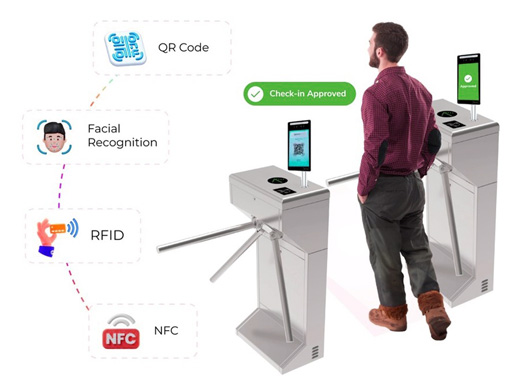
Automated Access Control & Facial Recognition


Today, skipping the hassle of physical tickets and entering an event with just a glance is a reality, thanks to AI. Facial recognition technology is facilitating this process by ensuring that only authorized individuals gain access. This innovation speeds up entry and enhances security, while also aiding in the management of large crowds. As a result, congestion is reduced, and access remains smooth and organized.

Automated access control and facial recognition technologies work together to streamline secure entry and monitor identity-based access with minimal human intervention. Here's a breakdown of how they function and their benefits:

Automated Access Control

  • Electronic Gates/Doors: Open based on verified credentials (card, mobile device, biometric data).
  • Integration with Other Systems: Works with time tracking, visitor management, or security systems.
  • Real-Time Alerts: Sends notifications for unauthorized access attempts.

Facial Recognition

  • Capture: A camera captures a person’s face.
  • Detection & Mapping:The system detects the face and maps key features (e.g., distance between eyes, nose shape).
  • Matching: It compares the mapped data to stored profiles in a secure database.
  • Verification or Denial: Grants or denies access based on the match.

ABT


Major Key Benefits

Benefits

  • Metro digital twin modelling for passenger flow optimization
  • Bus and metro passenger counters in Hamburg and Shenzhen automatically adjusting service levels.
  • Major stadiums using heat maps for crowd control & safety during live events.
  • Real-time people monitoring & counting
  • Biometric verification capabilities
  • Automated entry and exit tracking
  • Instant capacity monitoring
  • Reduces manual check-in time by up to 70%
  • Safety & Security

How Crowd Management System Works

AFC

  • Uses CCTV, IoT sensors, RFID counters, and occasional drones to continuously track crowd size, density, movement, & entry/exit flows.
  • Deep learning analyzes video & sensor data to estimate crowd size, density, and generate congestion heatmaps.
  • Advanced systems combine server-based models for high-precision zones with edge-based models for fast, scalable counting.

Open Loop Ticket

  • Central software dashboards integrate all data streams—video, sensors, social media, aerial imagery—providing a live map of crowd dynamics & risks.
  • Visualization tools include live video, interactive heatmaps, & predictive analytics for situational awareness & fast decision-making.

Automatic Fare Collection


  • Systems automatically notify operators of dangerous crowding, abnormal behaviors, or bottlenecks, often triggering suggested.
  • Automated interventions like opening gates, rerouting flows, or adjusting transport schedules. In critical cases, emergency protocols may be activated—such as targeted evacuation or directed crowd release control.

Automatic Fare Collection


  • AI forecast models use historical and live data to predict crowd surges and resource needs, allowing preemptive staff allocation, scheduling, and infrastructure adjustments.
  • Systems learn overtime, improving their ability to anticipate and prevent problems before they escalate.