
Account-Based Ticketing is a smart, digital fare management system that links travel tickets directly to a user account instead of physical cards or paper tickets. It enables passengers to travel seamlessly across transport modes using a single identity, such as a mobile number, smart device, or digital wallet.
The system processes fare calculation centrally, allowing flexible pricing models, real-time validation, and accurate revenue management. Account-Based Ticketing improves passenger convenience while enabling transport authorities to reduce fraud, enhance operational efficiency, and gain valuable travel insights.
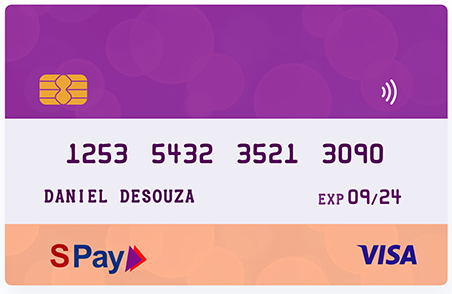
Account-Based Ticketing is a ticketless way of allowing people to travel meaning they tap or scan using a secure token, linked to an account in the back office, to make a journey. The location and amount of taps calculates the fare, which is charged to the passenger post journey. This means riders no longer need to buy a ticket and can benefit from best fare policies.
Key Benefits
- Real-Time Visibility - Live monitoring of assets and operations.
- Improved Efficiency - Automation reduces manual effort and downtime.
- Cost Optimization - Predictive maintenance and energy savings.
- Enhanced Safety & Compliance - Continuous monitoring and alerts.
- Data-Driven Decisions - Actionable insights from connected systems.
- Scalability - Easy expansion across devices and locations.


Account Based Ticketing (ABT) shifts the fare collection system from being ‘card centric’, meaning the ticket holds the journey information and right to travel, and moves this to the back office. Moving the ticket information to the back office holds a number of benefits.
It means passengers no longer need to buy a ticket or understand fares to travel and instead they use a secure token, typically either a contactless bank card, mobile phone or smartcard. It also enables agencies to reduce costs through a reduction in proprietary tickets, cash handling and physical infrastructure costs.